
In Almaty, First Vice Minister of Health of the Republic of Kazakhstan Timur Sultanagaziyev Provided Clarifications on Healthcare Provisions in the Draft Constitution
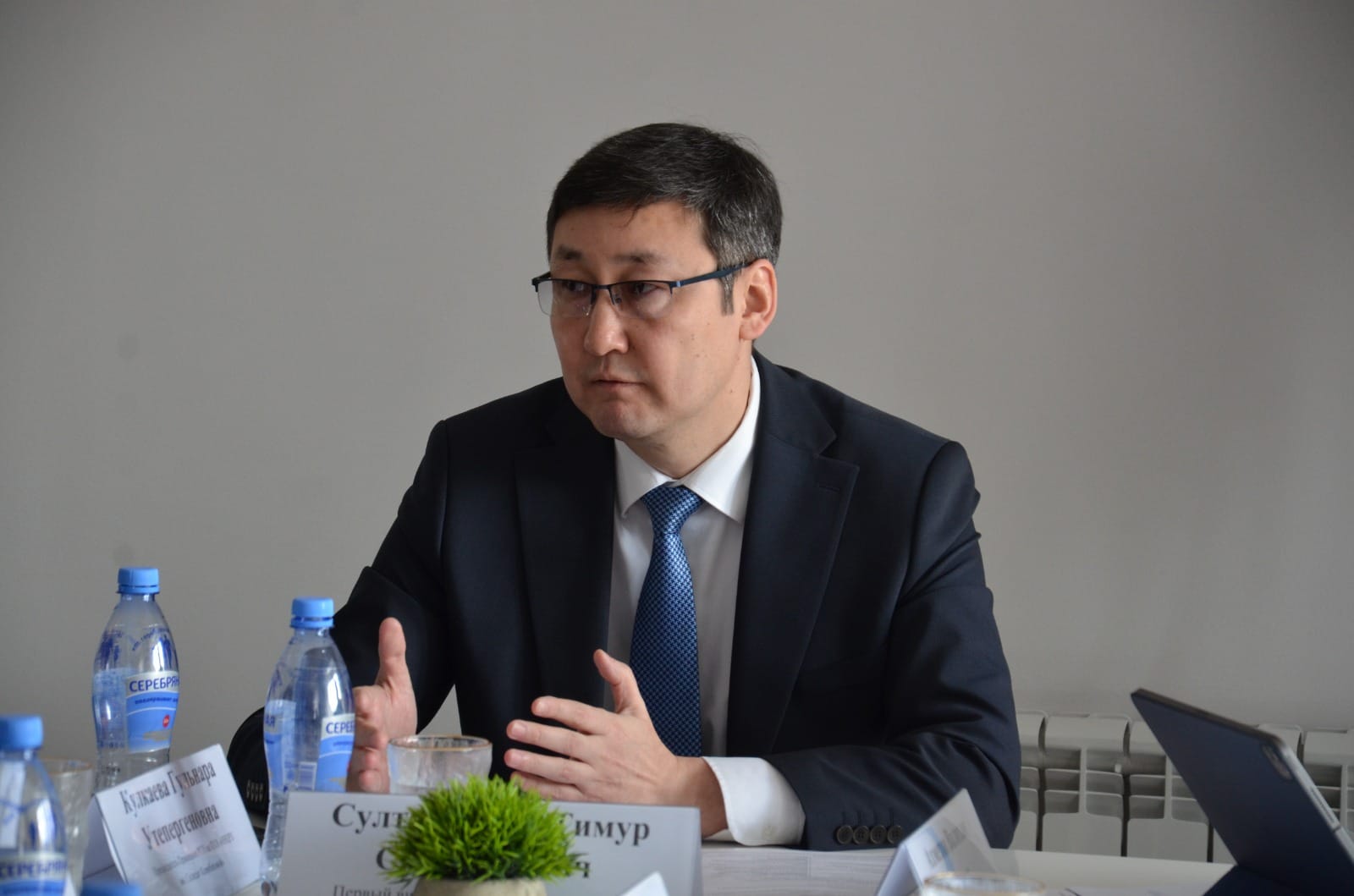
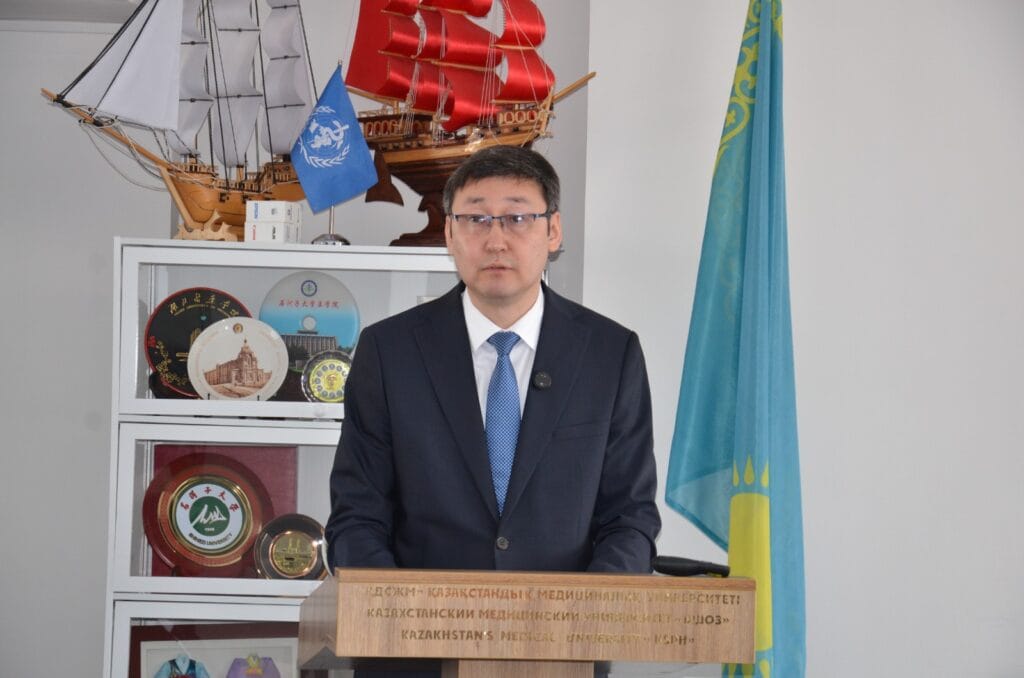
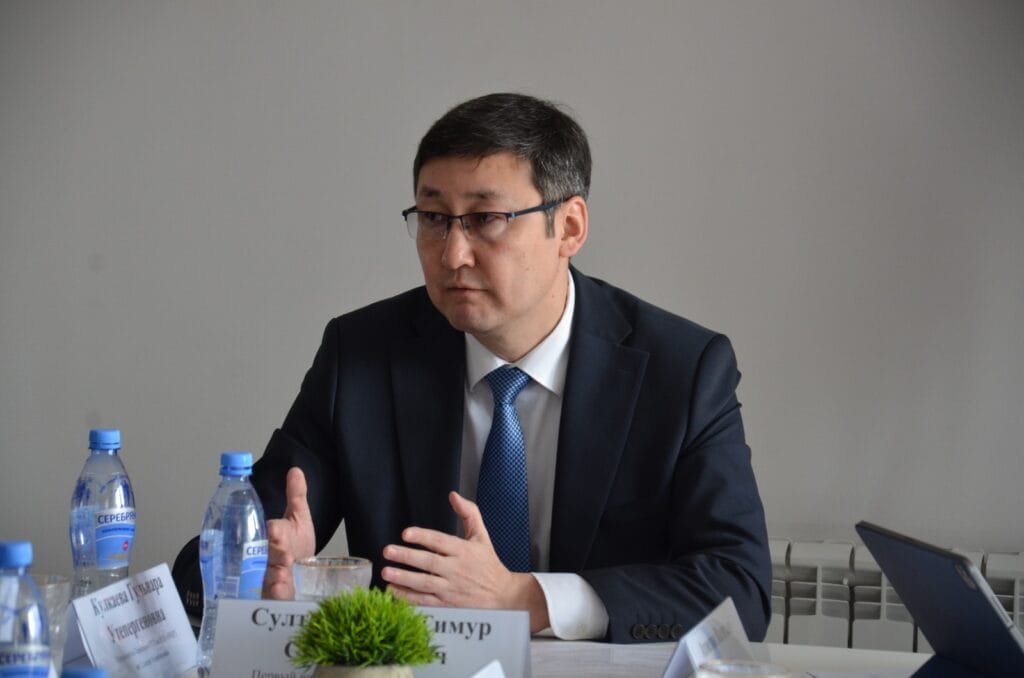
On February 27, 2026, in Almaty, at Kazakhstan’s Medical University “KSPH”, within the framework of a scientific and practical conference, the First Vice Minister of Health of the Republic of Kazakhstan, Timur Sultanagaziyev, delivered a report on the reflection of healthcare issues in the draft new Constitution of the Republic of Kazakhstan.
In his speech, the speaker noted that the draft Basic Law guarantees citizens’ right to health protection, which is implemented through access to medical care in accordance with legislation. It was emphasized that the volume of state-guaranteed free medical care will be preserved and that citizens’ rights will not be diminished.
Special attention was given to the financing of the healthcare system. In addition to the state budget, the draft предусматривает the participation of charitable and international organizations, as well as large national companies, in financing medical care that is not paid for by citizens. According to the Vice Minister, this approach corresponds to international practice and is aimed at enhancing the sustainability of the healthcare system.
The report also addressed provisions related to the protection of public health as a matter of national security. In particular, it establishes a norm limiting the activities of religious organizations in cases where their actions may harm public health, including refusals of vaccination and medical intervention based on religious beliefs.
It was separately noted that freedom of speech and the dissemination of information must not violate citizens’ rights to health, morality, and public order. The state ensures the protection of personal data and information concerning citizens’ private lives.
In addition, the draft Constitution enshrines the protection of the institution of marriage as a voluntary and equal union of a man and a woman, and emphasizes the duty of adult able-bodied children to care for their disabled parents, thereby strengthening intergenerational continuity and family solidarity.
Among the priorities of the Basic Law are education and science, including the medical field, as the foundation for sustainable state development and a key element in the advancement of human capital.
At the conclusion of the speech, it was emphasized that the draft Constitution is aimed at strengthening constitutional guarantees of citizens’ rights, ensuring the protection of public health, and enhancing the sustainability of all sectors of the country’s development.