

KMU “KSPH” launches infection-safety training for nurses in Almaty
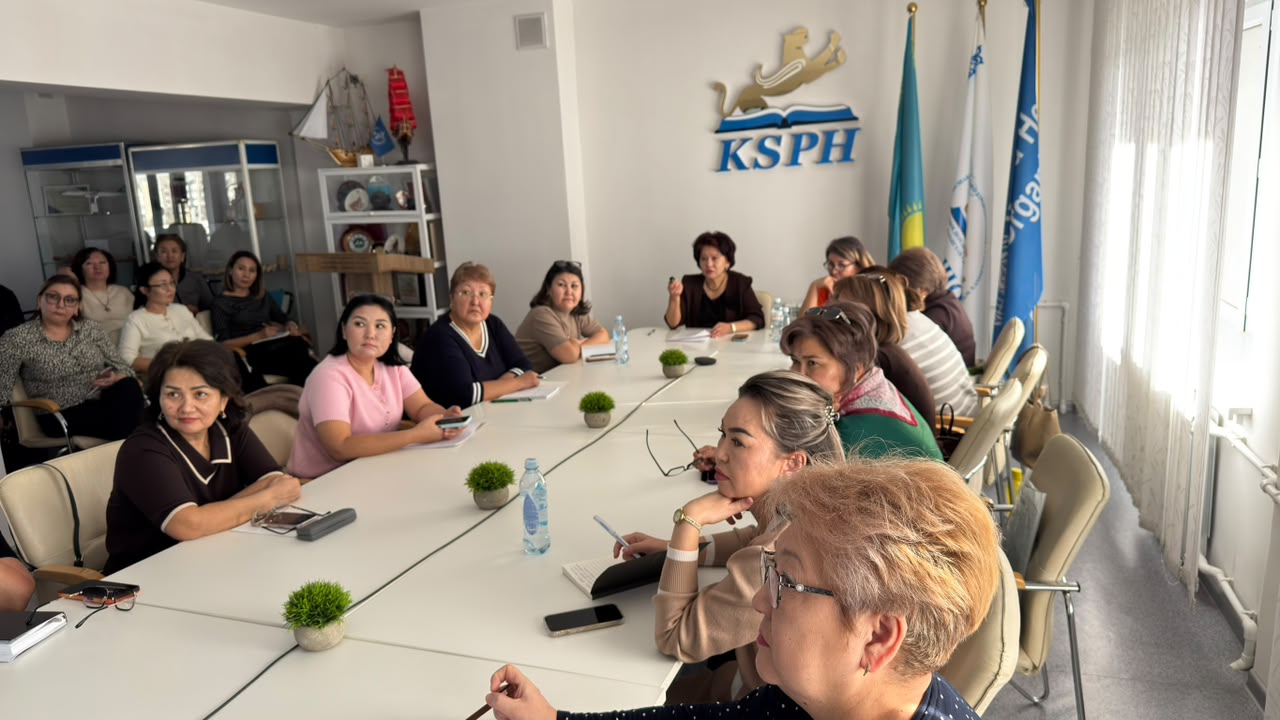
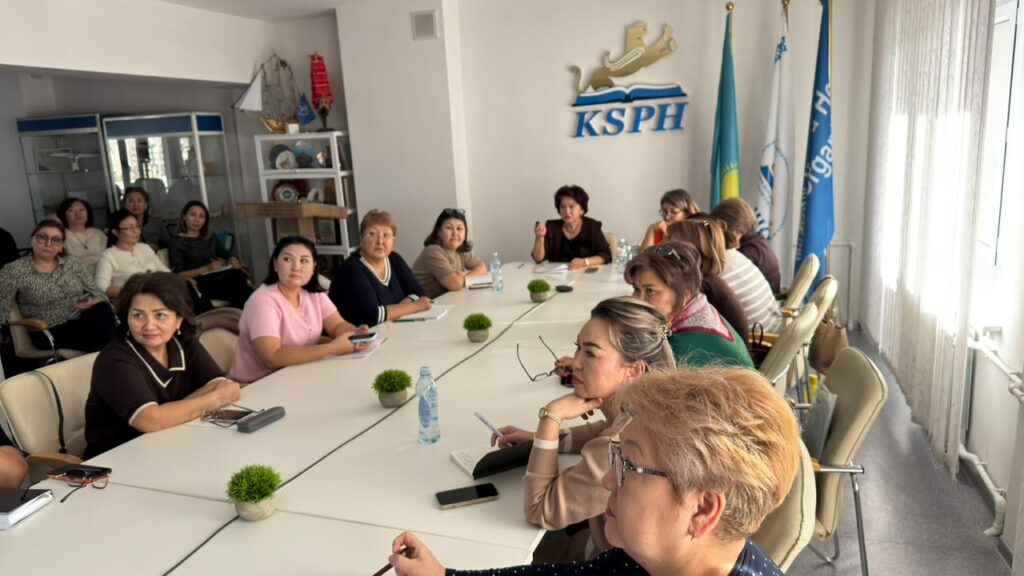
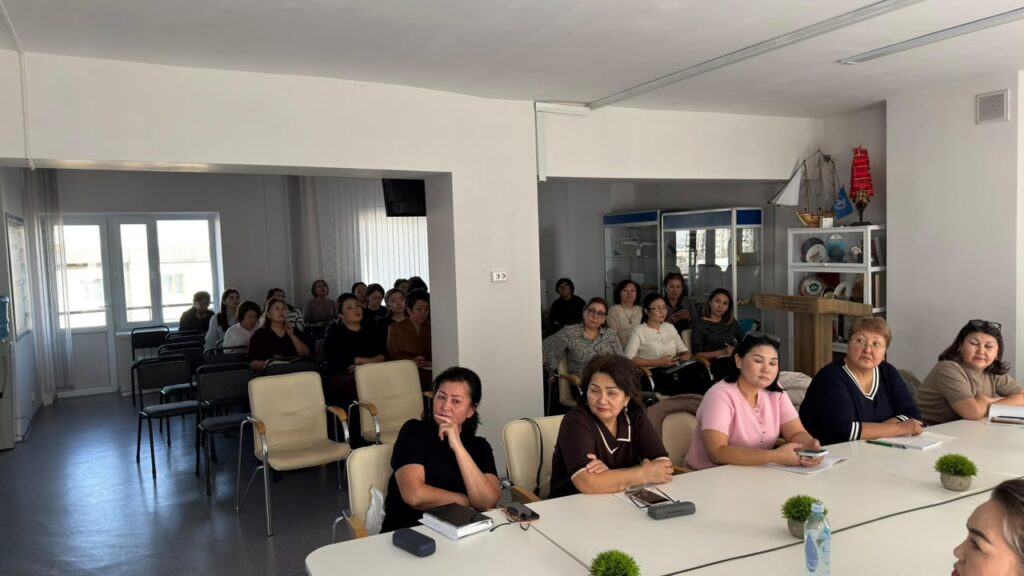
On November 23, 2026, Kazakhstan’s Medical University “KSPH” launched a professional development course for chief nurses and infection-control nurses from healthcare organizations in Almaty.
The training is delivered under the program “Modern Approaches to Preventing Healthcare-Associated Infections in Nursing Practice.” It aims to enhance healthcare professionals’ competencies in infection safety, the prevention of hospital-acquired infections, and the assurance of healthcare quality.
The course is taught by Baldai Kalimullinovna Issenova, PhD, EMBA, freelance specialist in inpatient nursing at the Almaty Public Health Department and Head of the Department of Nursing at KMU “KSPH.”
As part of the educational program, participants examine modern approaches to organizing infection control, complying with sanitary and epidemiological requirements, assessing and managing infection risks, and introducing effective preventive measures into everyday clinical practice.
Particular attention is paid to the role of nursing staff in ensuring patient safety, following aseptic and antiseptic practices, maintaining hand hygiene, using personal protective equipment, processing medical devices, and creating a safe hospital environment.
An important component of the training is the development of the managerial and leadership competencies of chief nurses, including conducting internal audits, monitoring compliance with infection-safety standards, and fostering a culture of responsibility among healthcare personnel.
Continuing professional development for nursing staff is one of the key factors in ensuring patient safety, reducing the risks of healthcare-associated infections, and improving the quality of healthcare services.
Such educational programs help strengthen the professional capacity of nursing services and introduce modern infection-control standards in Almaty’s healthcare organizations.
Kazakhstan’s Medical University “KSPH” continues its work to advance continuing medical education and enhance the professional competencies of healthcare specialists.