
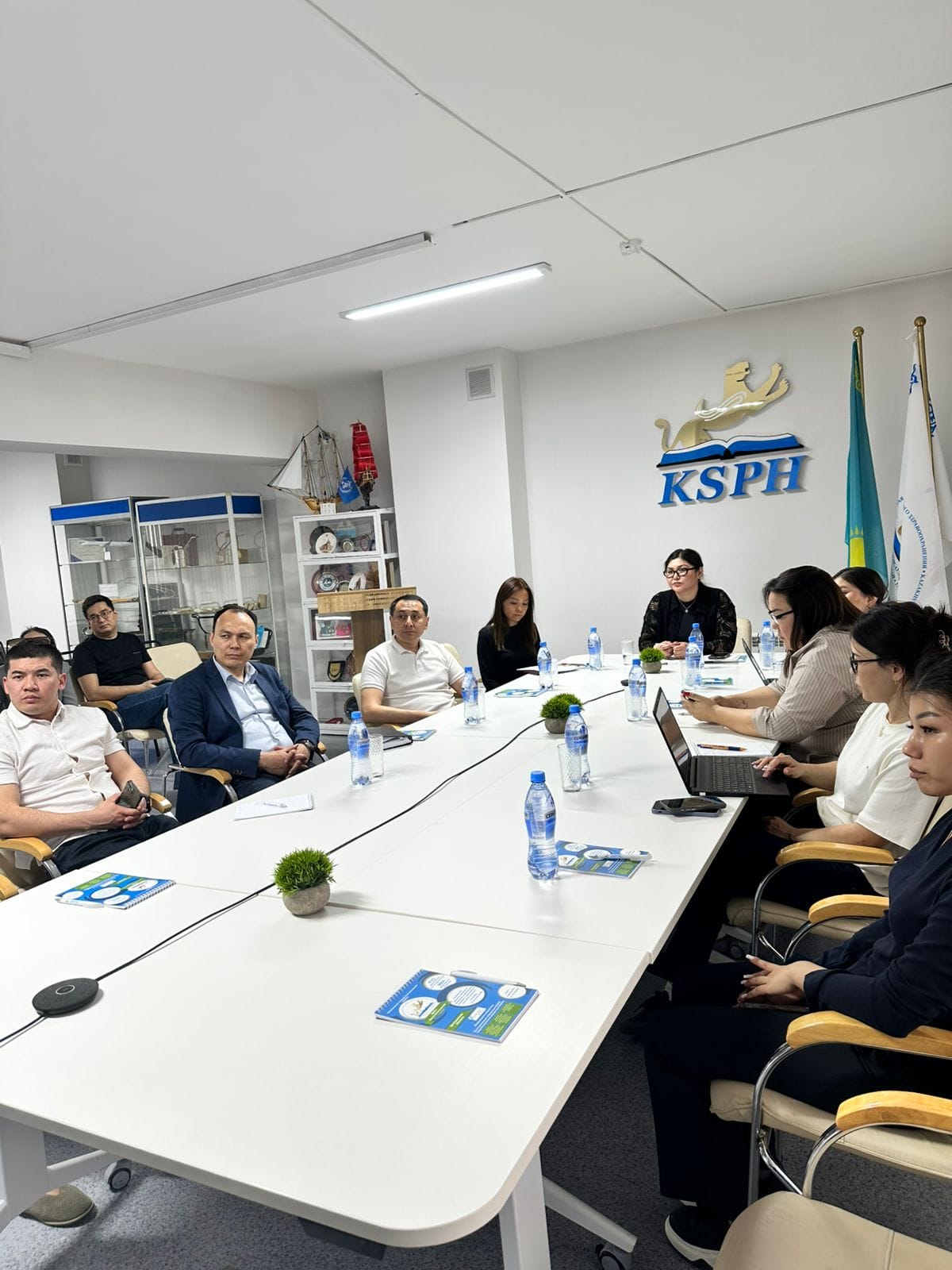
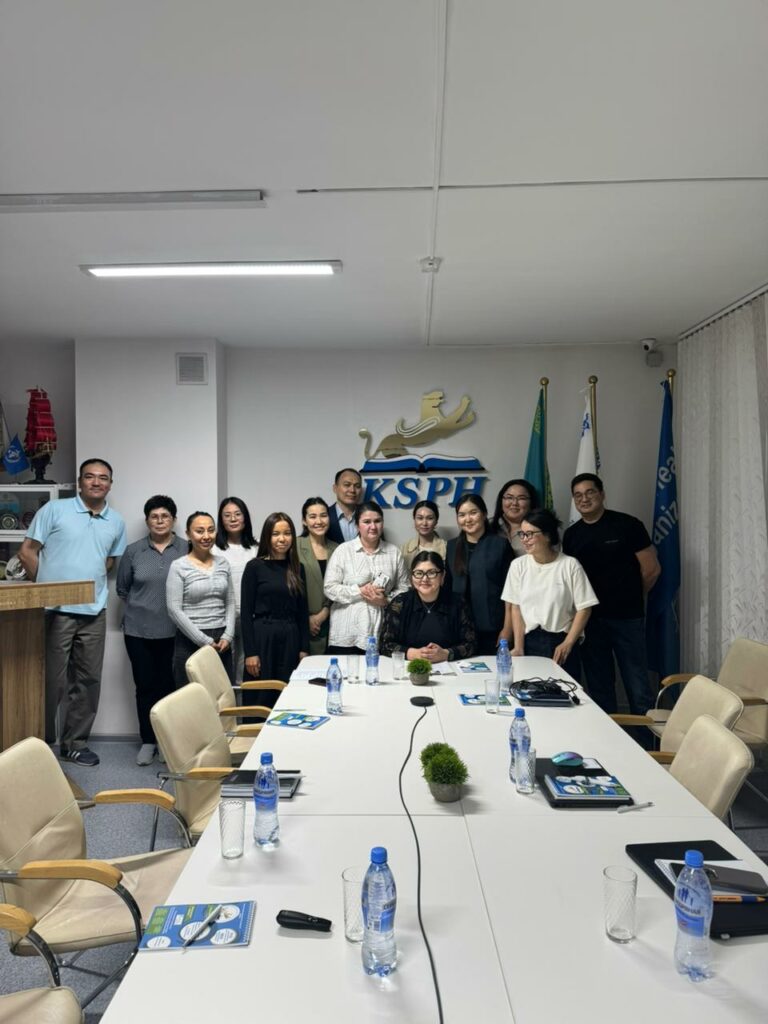
On April 8, 2026, the Department of Epidemiology, Evidence-Based Medicine, and Biostatistics organized a seminar-training for young researchers titled “Enhancing the Scientific Potential of Master’s and PhD Students.” The focus was not on theory for its own sake, but on practical tools—from dissertation requirements to the “Zhas Galym” grant program and sample size calculation in medical research.
The speakers included leading experts in public health and scientific research, who shared their practical experience and up-to-date recommendations.
Vice-Rector for Academic and Scientific Affairs, I.K. Tulebayeva (PhD), provided a detailed overview of the stages of discussion, formatting standards, and defense procedures. The key message: a dissertation is not just a document, but a research logic.
PhD, Professor, Director of the Research Institute of Health at Al-Farabi Kazakh National University, N.E. Glushkova, spoke about how to select journals in the fields of Public Health & Medicine, where to publish in order to gain visibility, and how to avoid predatory journals.
PhD, Associate Professor at Astana Medical University, A.A. Kusainova, presented practical experience of successful participation in the “Zhas Galym” program, highlighting key aspects of preparing a grant application. During the presentation, common mistakes were analyzed and effective formulations were предложены to increase the likelihood of obtaining funding.
Researcher, Master of Medical Sciences, K.M. Shaikova, demonstrated algorithms for verifying the indexing of scientific journals using the NLM Catalog, as well as methods for confirming their presence in the Web of Science and Scopus databases. It was emphasized that proficiency in the basics of scientometrics is essential for minimizing risks when planning publication activities.
Senior Lecturer of the Department of Epidemiology, Evidence-Based Medicine, and Biostatistics, A.K. Saktapov, presented key tools for calculating sample size and statistical power, ensuring the reliability of research results, with a focus on preventing common errors in study design.
As part of the event, participants gained valuable knowledge on key aspects of scientific activity. They noted that the seminar provided not only theoretical insights but also clear, practical algorithms for dissertation preparation, identifying grant opportunities, selecting reliable journals for publication, and accurately calculating sample size.
The Department of Epidemiology, Evidence-Based Medicine, and Biostatistics expresses its gratitude to all speakers and participants for their active engagement and commitment to advancing scientific potential!